What Is Vise X? How This Useful For Creating Installer For Mac
I'm trying to install OS X Mavericks in VirtualBox on Windows 8.1. I have VirtualBox installed and the VM set up, but I need an ISO file to install the operating system. I've searched around and found one result one a website I hadn't heard of, but Google Chrome flagged it as malware. I found a file on CNet, but it's an upgrade file for machines that are running an earlier version of OS X.
- What Is Vise X How This Useful For Creating Installer For Mac Free
- What Is Vise X How This Useful For Creating Installer For Mac Download
Is there an official source for downloading OS X ISO files? If not, is it possible to get the required ISO file without already having access to OS X?
Does not work on Mavericks and Yosemite There is no way to legitimately get the file without having access to a Mac, and a licensed copy of the OS via a purchase (unless you are a member of the Developer Program, for which you can expect to pay far more than the cost of the OS, what with it being free). But if you can blag some access time on a Mac, then you can download the OS from the Mac App Store (You may need to Option+Click the Purchased section to force it to reshow them if you have downloaded them at least once already). Once you have the installer downloaded and sat in your dock, you can simply pick it apart and get to the image file that is inside it. This is the official way to get the file direct from Apple, but there is still work to do to make it into an ISO:.
Once you’ve downloaded Mavericks, find the installer on your Mac. It’s called Install OS X Mavericks.app and it should have been downloaded to your main Applications folder or be sat in your Dock.
Right-click (or Control+click) the installer, and choose Show Package Contents from the resulting contextual menu. In the folder that appears, open Contents Shared Support; you’ll see a disk image file called InstallESD.dmg This dmg file is in essence an ISO file in s slightly different format. We'll need to convert it. Open up Disk Utility and:. From the menu bar, select Images Convert and point it to your.dmg file. In the Save As dialog that follows, select DVD/CD master. Disk Utility will insist on saving the new ISO as a.cdr file, but it is really an ISO.
When complete, you can rename it to.iso in Finder. Use an external HD or thumb drive which is in ExFAT format (Compared to FAT format, this allows for single files larger than 4GB). Copy the.iso file and access it on the other system.
For clarity, you can do the above on any version of OS X from 10.6.8 (Snow Leopard) onwards, so you can use an old image to get hold of a new image for example, if you have access to a different OS version than Mavericks. There is no official way to run OS X on a virtual machine in Windows. The Apple EULA clearly states under section 2 B that you're allowed to: (iii) to install, use and run up to two (2) additional copies or instances of the Apple Software within virtual operating system environments on each Mac Computer you own or control that is already running the Apple Software, for purposes of: (a) software development; (b) testing during software development; (c) using OS X Server; or (d) personal, non-commercial use. Source: This means that you can virtualize OS X only inside OS X on Mac hardware.
Anything else breaks the license.
What Is Vise X How This Useful For Creating Installer For Mac Free
If you’re switching to macOS from Windows, you might be confused about installing software. Sure, there’s the Mac App Store, but not everything is in there.
If you look for apps outside the store, you’ll find different kinds of installers: DMG files with apps in them, PKG installers, and simple applications inside ZIP archives. It can seem overwhelming, but it’s relatively straightforward once you get the hang of it. Here’s how to install software on your Mac, from the App Store and beyond, and why all these different methods exist. Mac App Store: Click a Button to Install an App We’re all used to app stores on our phones, but on the desktop they remain an oddity. Still, the Mac App Store is a decent first place to check. Open the store, search for the app you want, and click “Get” then “Download.” Your application will download and show up in your “Applications” folder. Updates are all handled by the store, which is convenient, and any application you purchase on one Mac will work on another.
There are all kinds of upsides here. RELATED: Still, you probably won’t install all of your software this way, because the App Store. There are several reasons for this.
First: apps from the Store are, but limits what applications can do. Pretty much any application that customizes macOS can’t run in a sandbox, which is why you’ll have to look elsewhere for tools like Dropbox, which by definition need to work outside the sandbox in order to function properly. There’s also the matter of money. Apple gets a cut of all sales in the Mac App Store, and companies like Microsoft and Adobe don’t like that, which is why Microsoft Office and Adobe Creative Suite won’t be in the Store anytime soon. Even some smaller companies avoid the Mac App Store for this reason. We could go on, but needless to say not everything you want will be in the App Store.
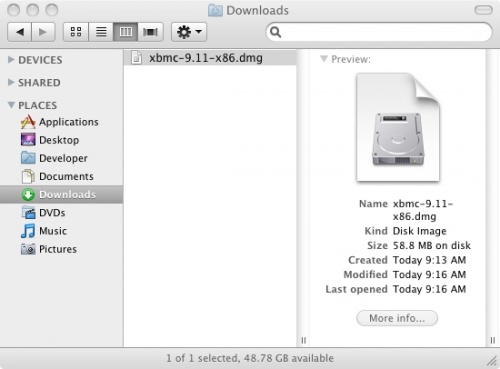
DMGs and Other Archives: Just Drag and Drop Most macOS applications downloaded from outside the store come inside a DMG file. Double-click the DMG file to open it, and you’ll see a Finder window. Often these will include the application itself, some form of arrow, and a shortcut to the Applications folder.
What Is Vise X How This Useful For Creating Installer For Mac Download
Simply drag the application’s icon to your Applications folder and you’re done: the software is now installed. It’s so simple it confuses some people—surely there must be more to it than that? There isn’t: dragging the application to your Applications folder is the entire process. You don’t have to put your programs in the Applications folder, though: they’ll run from anywhere. Some people create a “Games” directory, to keep games separate from other applications.
But Applications is the most convenient place to put things, so we suggest you just put everything there. DMG files are mounted by your system, like a sort of virtual hard drive. When you’re done installing the application, it’s a good idea to unmount the DMG in Finder when you’re done installing: just click the “Eject” arrow. Then you can feel free to delete the original DMG file: you don’t need it anymore. Other Archive Files, and Loose Application Icons Occasionally, applications will come in ZIP, RAR, or 7Zip archives instead of the standard DMG. In these cases, you need to open the archive.
ZIP files open fine out of the box, but you’ll need something like in order to. Once you open the archive, you’ll see the Application icon appear in the same folder. Simply drag this icon to your Applications folder and you’re done. Some applications don’t come in any sort of archive at all; instead, you’ll download the application file directly. In these cases, simply drag the icon to Applications in order to install it. PKG Installers: Installation Wizards Like On Windows Every once and a while you’ll come across a PKG file. Sometimes this will be inside a DMG; sometimes you will download it directly.

In all cases, you need to double-click the PKG file to run it instead of dragging it somewhere. You’ll see an interface not that different from Windows installation wizards.
These sorts of installers can do things the drag and drop installers can’t do, like installing system services and putting files elsewhere on the computer. When you’re done installing the app, you can delete the PKG file and any DMG file it came in (after ejecting it, of course). How to Bypass Gatekeeper and Run Applications From Unidentified Developers By default, your Mac won’t open any software made by “unidentified developers”. Malware used for espionage attacks found for mac. This is a security feature called “Gatekeeper”, intended to stop the spread of malware and other unwanted software, but every once and a while a program you want to run fall into this category, showing you a message like saying your program “can’t be opened because it is from an unidentified developer.” RELATED: If you’re absolutely certain the application in question is trustworthy, you can by holding Option, right-clicking the application, and clicking “Open.” You can also disable Gatekeeper entirely, if you so choose.
To disable Gatekeeper, open the System Preferences window—click the Apple icon at the top-left corner of your screen or click the System Preferences icon on your dock—and click the Security & Privacy icon. Click the lock icon, enter your password, and set the “Allow apps downloaded from” option to “Anywhere.” This will reduce your security as it allows unsigned apps to run, so be sure you know what you’re doing if you use this option. Steam and Other Third Party App Stores The Mac App Store isn’t the only app store out there for the Mac. Gamers are no doubt familar with, and it offers a Mac version capable of installing any game supported on macOS.
Installing software works the same as on Windows systems. There are few other notable app stores out there. Offers unlimited access to dozens of popular Mac applications for $10 a month. Installing is dead simple, but you’d have to want a lot of the applications offered for that price point to be worthwhile. There’s also, which lets you the way you can on Linux systems. None of these tools can completely replace the other methods of installing Mac software, but they’re all worth knowing about.